Comfortable feet can make it easier for older adults to stay active, maintain independence, and take part in everyday routines. But changes in skin, nails, sensation, circulation, balance, or mobility can make foot care more challenging with age. Paying attention to those changes and seeking help when needed can support safer, more comfortable movement.
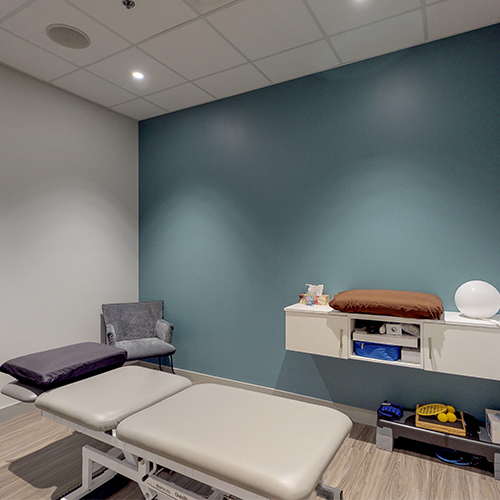
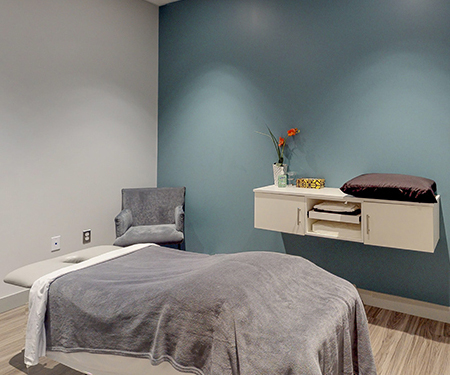
This guide covers common foot concerns for older adults, practical foot care habits, and signs that it may be time to consult a professional. Revive Health Solutions offers footcare services in Kanata for people in Ottawa and nearby communities.
Why Foot Care Matters as We Age
Feet support the body during standing and movement. When pain, thickened nails, dry skin, or pressure points make walking uncomfortable, a person may begin avoiding activity or changing how they move. That can affect balance and confidence.
Age itself does not determine someone’s foot health. Medical conditions, medication, footwear, previous injuries, and changes in mobility can all influence foot care needs. Some people may also find it difficult to inspect or reach their feet, making regular attention and professional support helpful.
Common Foot Concerns for Older Adults
Thickened or difficult-to-trim toenails
Toenails may become thicker or harder to cut over time. Reduced flexibility, vision changes, or limited hand strength can also make nail care difficult. Cutting nails too short or rounding the corners deeply may irritate the surrounding skin.
If nails are painful, unusually discoloured, lifting, or difficult to manage safely, seek advice from a qualified footcare provider. Changes in nail appearance can have different causes and should not be self-diagnosed.
Dry, cracked skin
Dryness can lead to rough or cracked skin, especially around the heels. Small cracks may become painful or worsen if left unattended. Gentle moisturizing may help with routine dryness, but avoid applying lotion between the toes if the area stays damp. Ask a professional for advice if cracks are deep, bleeding, or not improving.
Corns, calluses, and pressure areas
Corns and calluses can develop where footwear or repeated pressure irritates the skin. They may feel uncomfortable inside shoes or during walking. Do not cut them with blades or use medicated products without checking whether they are suitable for you, especially if you have diabetes, poor circulation, or reduced sensation.
Foot pain and stiffness
Pain can affect the heel, arch, ball of the foot, toes, or joints. It may relate to footwear, activity, a past injury, or an underlying condition. Pain that persists, worsens, or changes the way you walk deserves assessment.
Changes in sensation or circulation
Numbness, tingling, unusual coldness, colour changes, or slow-healing sores should be taken seriously. These signs can have several causes, including medical conditions that affect circulation or nerve function. Contact a healthcare professional for guidance.
Everyday Foot Care Habits
A simple routine can help older adults notice changes early and keep feet more comfortable.
Check your feet regularly
Look at the tops, soles, heels, and spaces between the toes. If you cannot see or reach your feet easily, use a mirror or ask a trusted person or healthcare provider for help. Notice cuts, blisters, swelling, redness, changes in colour, or areas that feel unusually warm or tender.
Wash and dry carefully
Wash feet with warm, not hot, water and dry them thoroughly, especially between the toes. Avoid soaking feet for long periods if your skin is fragile or you have a condition that affects sensation or circulation.
Choose comfortable, well-fitting footwear
Shoes should provide enough room for the toes and feel secure without rubbing or pinching. Check the inside of shoes for rough seams, small objects, or worn areas that could irritate the skin. For a new pair, start with shorter periods of wear and check your feet afterward for redness or pressure marks.
Be cautious with nail and skin tools
Use clean, appropriate tools and avoid cutting into the corners of nails or trimming corns and calluses yourself. If you have difficulty seeing or reaching your feet, or have a health condition that increases risk, arrange professional footcare instead.
Keep movement safe
Well-fitting footwear with a stable sole can help with comfort and confidence. If foot pain or balance concerns make walking difficult, speak with a healthcare provider about suitable support and activity options.
When Should an Older Adult Seek Professional Foot Care?
Consider booking a footcare appointment if routine nail care has become difficult, footwear causes recurring pressure, or thickened nails, calluses, or discomfort affect daily activities. A provider can assess the concern, offer appropriate care, and explain what to monitor at home.
Professional help is especially important for people with diabetes, reduced sensation, circulation concerns, or a history of foot wounds. Even a small cut or blister may need timely attention when healing can be affected.
At Revive Health Solutions, footcare services in Kanata include routine foot health support and custom orthotics. The clinic’s footcare team can discuss your concerns and determine whether an appointment or another type of care may be appropriate.
Signs That Need Prompt Medical Attention
Contact a healthcare professional promptly if you notice:
- A wound, blister, or crack that is not healing
- Increasing redness, warmth, swelling, or discharge
- Sudden or severe foot pain
- A significant change in skin colour or temperature
- New numbness, weakness, or loss of sensation
- Difficulty bearing weight after an injury
Seek urgent care for severe symptoms or signs of infection. Do not wait for a routine footcare appointment if you are concerned about a rapidly changing problem.
Foot Care and Custom Orthotics
Some older adults ask whether custom orthotics may help with foot discomfort or walking. Orthotics are not appropriate for every person, and they do not replace an assessment of the underlying concern. A footcare professional can review your symptoms, footwear, foot structure, and daily activities before discussing whether custom orthotics may be suitable.
If orthotics are recommended, ask how to introduce them, which shoes can accommodate them, and what to do if they cause rubbing or increased discomfort. Any new pressure marks or skin irritation should be discussed with the provider, particularly if you have reduced sensation or circulation issues.
Helping a Family Member With Foot Care
Family members and caregivers can support older adults by helping with regular visual checks, finding properly fitting footwear, and arranging appointments when routine care becomes difficult. Ask permission before assisting, and let the person remain involved in decisions about their care.
If someone has trouble describing symptoms, pay attention to changes in walking, reluctance to wear certain shoes, or signs of discomfort during movement. Share relevant observations with their healthcare provider.
Finding Foot Care for Older Adults in Ottawa
When looking for foot care in Ottawa, consider whether the provider can address your specific concern, explain the recommended care, and identify when another healthcare professional should be involved. Before an appointment, prepare a list of medical conditions, medications, allergies, and any changes you have noticed.
Revive Health Solutions provides footcare services at its Kanata clinic. Contact the clinic to ask about appointment availability, what the service includes, and whether you should bring particular footwear or medical information.
Taking the Next Step
Foot pain and changes to the skin or nails are common reasons older adults seek support, but they should not be dismissed as an inevitable part of aging. Regular checks, comfortable footwear, and timely professional advice can help identify concerns and support everyday mobility.
If foot problems are affecting walking or routine care has become difficult, consider speaking with a qualified footcare professional. For older adults in Ottawa, Revive Health Solutions can provide information about its Kanata footcare services and help you determine an appropriate next step.