Foot pain can make everyday activities—from walking through the grocery store to standing at work or exercising—feel more difficult. When discomfort keeps returning, you may wonder whether custom orthotics could help. These shoe inserts are designed to fit an individual’s feet and may be considered as part of a broader footcare plan.
If you are looking into custom orthotics in Kanata, the first step is understanding what may be contributing to your symptoms. Foot pain has many possible causes, and orthotics are not the right solution for every person or condition. A footcare assessment can help determine whether they may be appropriate for your needs.
What Are Custom Orthotics?
Custom orthotics are devices made to fit inside footwear. They are prescribed or recommended following an assessment of a person’s feet, movement, footwear, symptoms, and relevant health history. Their design depends on the individual and the purpose for which they are being considered.
Orthotics may be used to provide support, redistribute pressure, or change how forces move through the feet during standing and walking. The intended effect varies by person and condition. They are different from generic inserts, which are produced in standard shapes and sizes rather than made to match an individual assessment.
A custom device is only one part of footcare. Footwear choices, activity levels, medical conditions, and other treatments may also be relevant. A qualified footcare professional can explain the options and whether custom orthotics fit into an appropriate plan.
Signs You May Want a Footcare Assessment
Foot discomfort does not automatically mean you need orthotics. However, an assessment may be useful if pain or changes in how your feet feel are affecting your routine.
Consider speaking with a footcare provider if you experience:
- Recurring foot or heel discomfort
- Pain while walking, running, or standing
- Areas of pressure or rubbing inside your shoes
- Foot fatigue after ordinary daily activities
- Discomfort that changes when you wear different footwear
- A noticeable change in how you walk or distribute weight
- Ongoing concerns related to an existing foot condition
These signs can have several explanations. A professional can assess your feet and discuss whether orthotics, footwear changes, other footcare, or referral to another healthcare provider may be appropriate.
Common Reasons People Ask About Orthotics
People consider custom orthotics for different reasons. The device may be discussed when foot mechanics, pressure, or footwear seem relevant to a person’s symptoms. It may also be considered alongside care for certain foot or lower-limb concerns.
A proper assessment matters because pain in the foot can arise from many structures and conditions. Heel pain, for example, may have more than one cause. Pain in the ball of the foot, arch, toes, or ankle also requires individual consideration. The location of discomfort alone does not determine whether orthotics will help.
If you have diabetes, reduced sensation, circulation concerns, a wound, or a significant foot deformity, seek professional advice promptly. These factors can change what kind of footcare is appropriate.
What Happens During a Custom Orthotics Assessment?
An assessment generally begins with a conversation about your symptoms, daily activities, footwear, medical history, and goals. Your provider may ask when the pain occurs, how long it has been present, what makes it better or worse, and whether it limits work, exercise, or other routines.
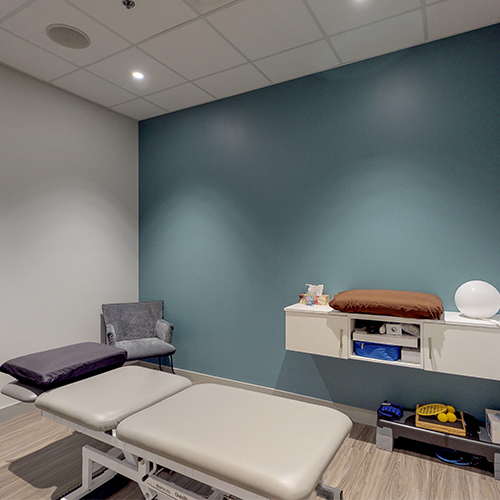
The practitioner may examine your feet and observe how you stand or walk. Depending on the service and your needs, the assessment may include measurements or other methods to understand foot shape and movement. Your footwear may also be reviewed because fit, wear patterns, and the type of shoe can affect comfort.
After the assessment, the provider can explain their findings and discuss possible options. If custom orthotics are recommended, ask what they are intended to address, what type of footwear will accommodate them, how they should be introduced, and when the fit should be reviewed.
Custom Orthotics and Over-the-Counter Inserts
Over-the-counter inserts are readily available and may suit some people seeking cushioning or a more comfortable fit. They generally come in standard sizes and designs. Custom orthotics are made or adjusted based on an individual assessment and are intended to address specific needs.
Neither option is automatically better for everyone. The right choice depends on your symptoms, foot structure, activities, footwear, and the purpose of the insert. A footcare professional can help you decide whether a store-bought product is reasonable to try or whether a custom assessment is more suitable.
Avoid using an insert that increases pain, creates new pressure points, or causes numbness or skin irritation. Stop using it and ask a qualified professional for guidance if you experience these problems.
What to Expect When You Start Wearing Orthotics
If custom orthotics are recommended and made for you, your provider should explain how to use them. Some people may be advised to introduce them gradually so they can monitor comfort and fit. Follow the instructions given by the professional who assessed you.
Pay attention to how your feet feel in different shoes and during different activities. Orthotics need to fit properly inside the footwear you intend to use. A device that works in one pair of shoes may not fit well in another. Bring your usual footwear to appointments when the provider recommends it.
Contact the provider if the orthotics feel uncomfortable, cause rubbing, or seem to worsen your symptoms. Adjustments may be needed, and persistent pain should be reassessed rather than ignored.
Footwear Still Matters
Orthotics do not replace well-fitting shoes. Shoes should provide enough room for your toes, feel secure, and suit the activities you do. If your footwear is worn down, too narrow, or difficult to accommodate an insert, it may affect comfort.
When seeking custom orthotics in Kanata, bring the shoes you wear most often to your appointment if possible. A provider can consider how the device will fit into your everyday footwear and whether a different shoe style may be needed for it to work as intended.
When to Seek Medical Attention
Some foot symptoms require prompt medical attention. Seek professional advice if you have sudden or severe pain, significant swelling, a foot injury, an open wound, signs of infection, or difficulty bearing weight. People with diabetes or reduced foot sensation should contact a healthcare provider about new wounds, colour changes, or areas of unusual warmth or swelling.
Custom orthotics are not a substitute for diagnosis or treatment of an underlying medical condition. If your symptoms are persistent or worsening, a healthcare professional can help determine the appropriate next step.
Finding Custom Orthotics in Kanata
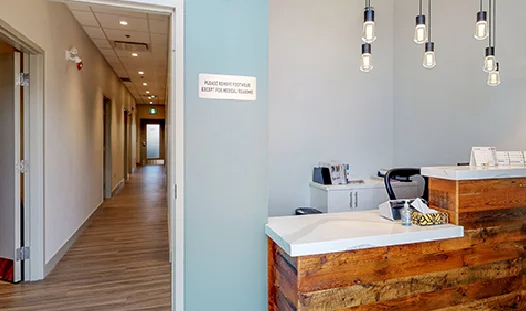
Revive Health Solutions offers footcare services in Kanata, including custom orthotics. The clinic’s footcare team can assess your concerns and discuss whether orthotics may be suitable. Since every person’s feet and needs are different, recommendations should follow an individual evaluation.
Before booking, you may wish to ask what the assessment includes, what information to bring, and how the clinic determines whether custom orthotics are appropriate. Be ready to discuss your symptoms, activities, footwear, and any relevant health conditions.
A Personalized Approach to Foot Pain
Custom orthotics may be worth discussing when recurring foot discomfort affects walking, standing, work, or exercise. They are not a guaranteed solution, and whether they may help depends on the cause of your symptoms and the results of a professional assessment.
A footcare appointment can help you understand your options and make an informed decision. If you are experiencing ongoing foot pain and are considering custom orthotics in Kanata, contact Revive Health Solutions to learn about its assessment process and available footcare services.