Muscle tension can build gradually during long workdays, repetitive activities, exercise, or periods of stress. You may notice tightness in your neck and shoulders, soreness after physical activity, or a feeling that your back is difficult to move comfortably. When tension keeps returning, therapeutic massage may be one option to discuss with a qualified provider.
Choosing the right approach starts with understanding your needs. Massage techniques, pressure, treatment areas, and session goals can vary. A practitioner should consider your health history, comfort, and reason for booking before recommending an approach. This guide explains what to consider when looking for therapeutic massage in Kanata.
What Is Therapeutic Massage?
Therapeutic massage uses hands-on techniques to address a person’s specific goals or areas of concern. Depending on the provider and the session, massage may focus on relaxation, muscle tension, mobility, or recovery after activity. The approach should be adapted to the individual rather than applied as a fixed routine.
At Revive Health Solutions in Kanata, massage therapy is among the clinic’s wellness services. The clinic also offers Fascial Stretch Therapy (FST), which involves assisted stretching. These services are distinct, though a practitioner may discuss which option best fits your needs.
Massage is not a diagnosis or a substitute for medical care. If you have new, severe, or persistent pain, consult an appropriate healthcare professional to understand what may be causing it.
Common Reasons People Seek Massage for Muscle Tension
People consider therapeutic massage for different reasons. You might be looking for help with:
- Neck or shoulder tightness after desk work
- Muscle soreness following exercise or physical activity
- Back tension associated with prolonged sitting or standing
- General stiffness that makes movement feel less comfortable
- Relaxation during a demanding or stressful period
The source of muscle tension can vary. Work habits, activity levels, sleep, stress, previous injuries, and health conditions may all affect how your body feels. A massage provider can ask about these factors and adjust the session accordingly.
Choosing a Massage Approach
There is no single massage approach that suits everyone. Before your session, consider what you hope to get from it. Are you looking for a relaxing experience, focused attention on a tense area, or support with post-activity muscle soreness? Sharing your goal helps the practitioner plan the session.
Relaxation-focused massage
If your main goal is to unwind, tell the practitioner. They can discuss the session pace, pressure, and areas to include. Comfort and communication should guide the treatment.
Focused work on a tense area
If one region feels particularly tight, describe where you notice the tension and what activities affect it. The practitioner may focus on the area and consider nearby muscles that contribute to movement. Targeted treatment should still stay within your comfort level.
Massage after physical activity
If you are booking after exercise or a physically demanding task, share what you did and when. The practitioner can consider your recent activity and any soreness or injury concerns. Massage should not be used to push through symptoms that need medical assessment.
Massage or assisted stretching?
Massage and FST are different services. Massage involves manual techniques applied to soft tissues, while FST uses practitioner-assisted stretching. If you are unsure which service fits your goals, ask the clinic about the differences and whether an assessment is recommended.
Questions to Ask Before Booking
A short conversation before an appointment can help you understand what to expect. Consider asking:
- What type of massage therapy is offered?
- How long is the appointment?
- Should I bring or wear anything specific?
- Can the practitioner adjust pressure during the session?
- What should I do if a technique feels uncomfortable?
- Are there health conditions or injuries I should mention beforehand?
- Is massage appropriate for my current symptoms?
The answers can help you decide whether the service meets your expectations and whether you feel comfortable proceeding.
What to Tell Your Massage Therapist
Before treatment begins, tell the practitioner about your goals and any relevant health information. This may include recent injuries, surgeries, ongoing conditions, areas of pain, skin sensitivities, pregnancy, or medications that could affect treatment. You should also mention if you are receiving care from another healthcare provider.
Be specific about what feels comfortable. You can request lighter or firmer pressure, ask to avoid a particular area, or pause the session at any time. Massage should not require you to tolerate sharp pain or a sensation that feels unsafe.
If the practitioner identifies a concern outside the scope of massage, they may recommend that you seek advice from another healthcare professional before continuing.
What to Expect During a Session
Your appointment may begin with questions about your health, the areas you want addressed, and your preferences. The practitioner should explain the session and provide an opportunity for you to ask questions before treatment starts.
During massage, communicate if the pressure is too light, too intense, or uncomfortable. Your needs can change during the appointment, and the practitioner can make adjustments. You should feel able to speak up without pressure to continue a technique.
Afterward, the practitioner may offer general self-care suggestions. Ask for clarification if you are unsure how to follow them. If you notice symptoms that concern you after a session, contact the provider or seek advice from an appropriate healthcare professional.
How to Get More from Your Appointment
A few simple steps can help make your massage session more useful:
- Arrive with a clear idea of what you want to address.
- Share relevant health information and recent changes in your symptoms.
- Wear clothing that is practical for the service and follow the clinic’s instructions.
- Tell the practitioner what pressure feels comfortable.
- Ask questions if you do not understand a technique or recommendation.
- Let the practitioner know if your goals change during the appointment.
You do not need to know the name of a specific massage technique before booking. Describing your symptoms and goals in everyday language is enough to start the conversation.
When Massage May Not Be the Right First Step
Massage is not appropriate for every symptom or health situation. If you have sudden or severe pain, a recent injury, significant swelling, fever, a skin infection, or unexplained symptoms, seek medical advice before booking. People with certain medical conditions may need guidance from their healthcare provider about whether massage is suitable.
If pain persists, worsens, or interferes with daily activities, consider a clinical assessment to identify possible causes. Massage may be part of a broader care plan, but it should not delay needed diagnosis or treatment.
Finding Therapeutic Massage in Kanata
When choosing therapeutic massage in Kanata, look for a provider who asks about your goals, explains the session, and adjusts treatment based on your feedback. You should understand what the service involves and feel comfortable communicating throughout the appointment.
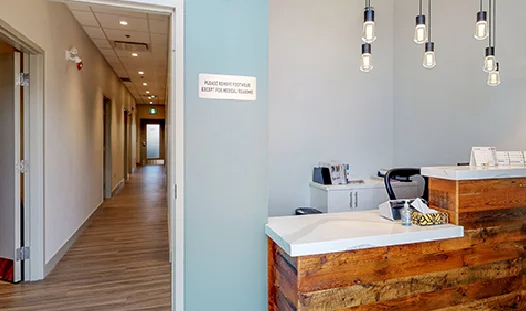
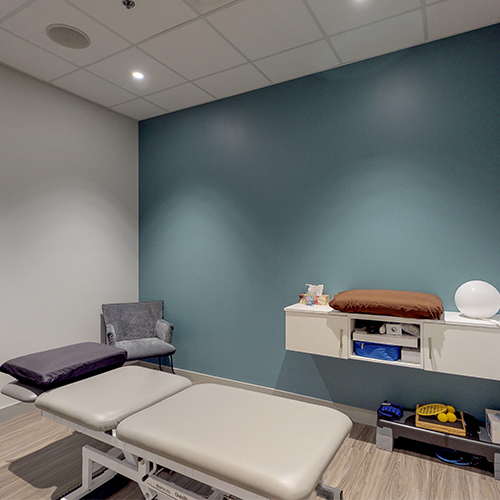
Revive Health Solutions offers massage therapy at its Kanata clinic. If you are considering a session for muscle tension, contact the clinic to ask about appointment availability, session details, and what information to share before your visit. You can also ask whether massage or another service, such as FST, may be more suitable for your goals.
Choosing a Comfortable, Individualized Approach
Muscle tension can have different causes, so the right approach depends on your symptoms, health history, activities, and preferences. A conversation with a massage therapist can help clarify what to expect and how the session can be tailored to you.
If you are seeking therapeutic massage in Kanata, start by describing what feels tense and what you hope to accomplish. A qualified practitioner can discuss whether massage is appropriate and adapt the session to your comfort.