If stiffness or limited mobility is making everyday movement less comfortable, you may be curious about fascial stretch therapy. Also known as FST, this assisted stretching approach involves a practitioner guiding your body through a series of movements intended to work with the fascia and surrounding soft tissues.
For people considering fascial stretch therapy in Kanata, knowing what happens during a first session can make the experience feel more familiar. Your appointment should be shaped around your comfort, health history, mobility, and goals. This guide explains how to prepare, what an initial session may involve, and what to discuss with your practitioner.
What Is Fascial Stretch Therapy?
Fascia is connective tissue found throughout the body. It surrounds and connects muscles and other structures. Fascial stretch therapy is an assisted stretching method in which a practitioner guides your body through selected positions and movements.
Unlike stretching on your own, assisted stretching involves a trained practitioner supporting and moving your body. Depending on your needs and comfort, this may include working with different areas, such as the hips, legs, shoulders, or back. The movements and pressure should be adjusted to your individual needs and should not be forced.
FST is one of the services offered at Revive Health Solutions in Kanata. The clinic describes its care as personalized, with treatment selected according to the individual. If you are uncertain whether FST is appropriate for you, ask the clinic or your healthcare provider before booking.
Before Your First FST Appointment
You do not need to arrive with a specific level of flexibility. Your practitioner needs to understand how you move now, what feels restricted, and what you hope to work on. A few simple preparations can help you feel ready.
Wear comfortable clothing
Choose clothes that allow you to move easily, such as athletic wear or other flexible clothing. The practitioner may need to guide your legs or arms through different positions, so restrictive garments can make movement less comfortable.
Think about your goals
Consider what led you to explore fascial stretch therapy. You might be interested in moving more comfortably during exercise, addressing general stiffness, or improving ease with everyday activities. Your goals can help guide the conversation, though your practitioner will also consider your health history and assessment.
Be ready to share relevant health information
Tell your practitioner about recent injuries, surgeries, ongoing health conditions, areas of pain, or movements that cause discomfort. Mention any current treatment you are receiving and any instructions from another healthcare professional that may affect stretching or movement.
This information helps your practitioner choose an appropriate approach. It is also useful to mention if you feel anxious about a particular movement or would prefer a slower pace.
Ask questions
You can ask how the session is structured, what clothing is suitable, and whether you should follow any specific preparation instructions. If you have concerns about a health condition or recent injury, raise them before the session begins.
What Happens During a First Session?
Your first session typically begins with a conversation. The practitioner may ask about your health history, current movement concerns, activity level, and goals. They may also ask which areas feel tight or uncomfortable and whether certain positions are difficult.
The practitioner may observe your movement or assess your comfort with specific positions. This helps them decide which areas to address and how much assistance to use. You should be able to communicate throughout the session. If a movement causes pain, feels uncomfortable, or makes you uneasy, tell the practitioner so they can modify or stop it.
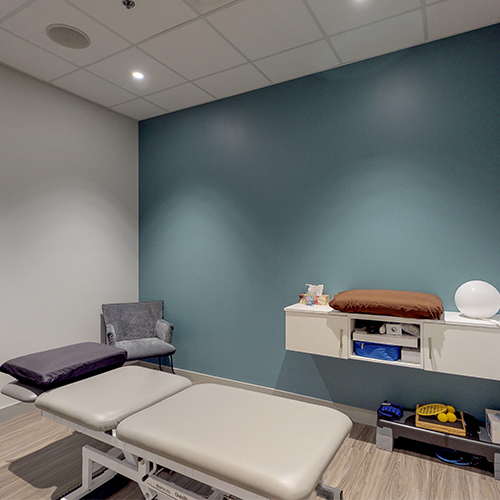
The session may involve lying on a treatment table while the practitioner supports and guides your limbs through controlled stretches. Depending on the approach and your needs, you may be asked to relax, breathe normally, or provide feedback about the sensation. The practitioner should explain what they are doing and check in with you as needed.
The focus is on a session tailored to you, rather than a fixed routine. Your first appointment may include time for discussion and assessment as well as assisted stretching. The exact structure and duration can vary, so confirm appointment details with the clinic when booking.
What Should the Stretches Feel Like?
Assisted stretching can create a gentle pulling or lengthening sensation. The intensity should remain within a range that feels manageable to you. A stretch should not be forced past your comfort level.
People experience stretching differently, and the same movement may feel different from one day to another. Let your practitioner know what you feel, especially if you notice sharp pain, numbness, tingling, dizziness, or another unusual symptom. They can adjust your position or stop the movement.
You do not need to “push through” discomfort to get value from a session. Clear communication helps the practitioner adapt the pace and range of movement to your needs.
How to Get the Most from Your Session
A few habits can help you make the appointment more comfortable and useful:
- Arrive with enough time to check in and share any important updates.
- Wear clothing that allows free movement.
- Tell the practitioner about injuries, pain, surgeries, or medical concerns.
- Describe your goals in practical terms, such as a movement you want to feel more comfortable doing.
- Give feedback during the session, including when a stretch feels too intense.
- Ask for clarification if you are unsure what to expect or why a movement is being performed.
There is no need to compare your flexibility with someone else’s. The practitioner’s role is to work within your individual range and adjust the session as needed.
After Your First Fascial Stretch Therapy Session
After your session, notice how your body feels during ordinary movement. Some people feel more relaxed or mobile, while others may notice temporary sensitivity after assisted stretching. Experiences vary, and no particular response is guaranteed.
Follow any aftercare guidance your practitioner provides. If you have questions or experience symptoms that concern you, contact the clinic or seek advice from an appropriate healthcare professional.
Your practitioner may discuss whether another appointment is appropriate, but the timing and frequency of sessions depend on your goals, health history, response to treatment, and other care you may be receiving. Ask questions before deciding on a follow-up plan.
Who Should Check with a Healthcare Professional First?
Fascial stretch therapy may not be suitable for every person or every situation. If you have a recent injury, have had surgery, are experiencing significant pain, or have a health condition that affects your joints or soft tissues, discuss FST with a qualified healthcare professional before starting.
If you experience sudden or severe symptoms, or a change that concerns you, seek appropriate medical advice. FST should not replace a medical assessment or treatment plan when one is needed. Your practitioner can discuss your situation and help determine whether another type of care may be more appropriate.
Choosing Fascial Stretch Therapy in Kanata
When considering a clinic, look for practitioners who ask about your needs, explain the session, respect your comfort, and adapt the movements to your feedback. A good first appointment should leave you with a clear understanding of what was done and what options you can consider next.
Revive Health Solutions offers fascial stretch therapy in Kanata as part of its broader wellness services. If you are considering a first session, contact the clinic to ask about availability, appointment details, and whether FST may be appropriate for your goals.
Take the First Step Toward More Comfortable Movement
Your first fascial stretch therapy session is an opportunity to discuss your goals, learn how assisted stretching works, and see how your body responds to a personalized approach. You do not need to arrive flexible or know exactly what treatment you need. Sharing your concerns and communicating during the session can help your practitioner tailor the experience.
If you are looking for fascial stretch therapy in Kanata, Revive Health Solutions can provide information about its service and booking process. A conversation with the clinic or your healthcare provider can help you decide whether an appointment is a suitable next step.